Social media at the Olympic Games – An opportunity that calls for caution
Why is maintaining an online presence essential for athletes today?
Social media has become one of the most influential tools for building an athlete’s brand. It’s where they can showcase their journey to success, their emotions, passion, and authenticity, and it’s this authenticity that draws a global audience today. Many athletes gain worldwide recognition during the Games, when community interest surges and behind-the-scenes coverage can reach audiences larger than traditional television broadcasts. However, the greater the media potential, the stricter the regulations. The IOC allows and encourages social media activity but within very strict guidelines.
During the Olympics, a period of “Olympic Silence” will be in effect from the opening day of the Olympic Village (January 30, 2026) until its closing day (February 24, 2026). During this time, athletes may share their impressions of the Games if the published materials focus on their personal experiences and are not journalistic in nature. Each post must align with Olympic values and respect the privacy and safety of other participants. Offensive content, illegal activities, or anything that damages the reputation of the Games is not allowed. All materials should be personal and non-commercial, except for activities involving official Olympic sponsors, with whom collaboration is tightly controlled.
Photos at the Olympic Games – what is permitted and what is not?
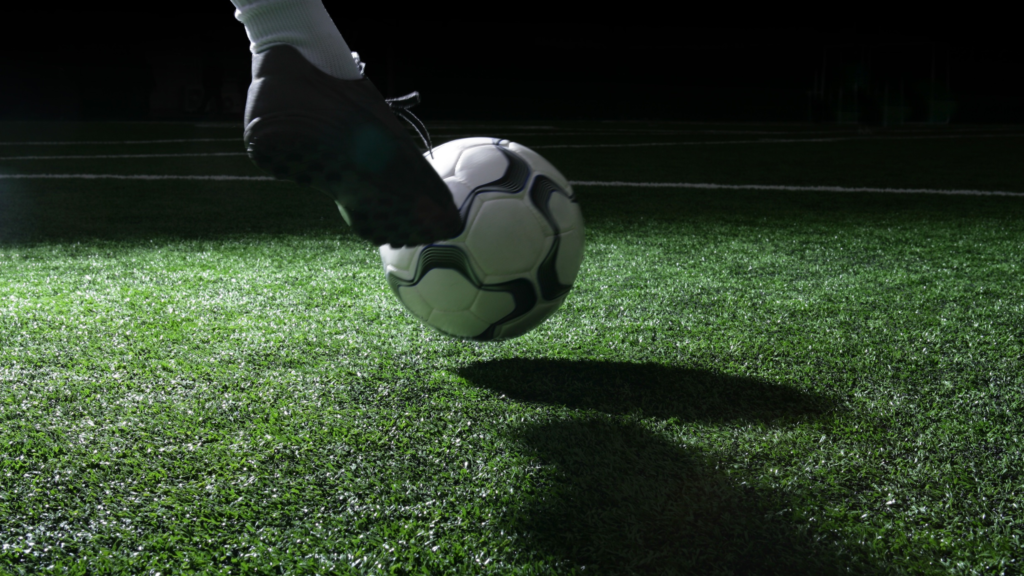
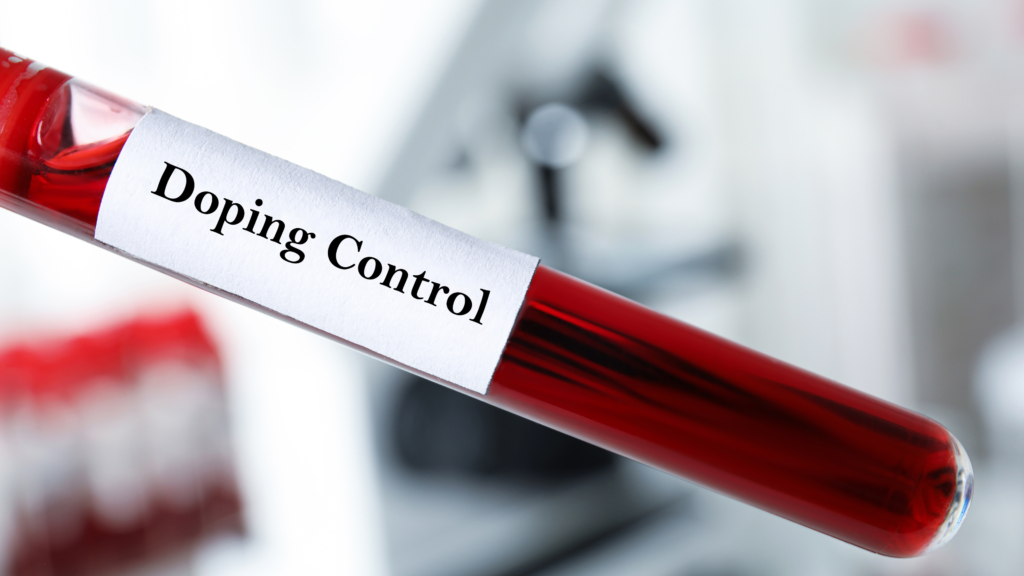
In practice, this means that photos taken independently in the Olympic Village or at sports venues can be freely published, provided they are not used for advertising purposes. Photos featuring Olympic assets like facilities, symbols, or the atmosphere are acceptable if they depict them naturally. Athletes can also co-create posts with Olympic sponsors, tag official organizations, and use neutral, non-commercial hashtags such as #MilanoCortina2026 or #Olympics. However, competitors are prohibited from posting photos. from restricted areas, such as medical or doping control areas. Similarly, they cannot publish commercial materials (except for Olympic Sponsors) or AI-generated content related to the Olympics.
Video – the most restricted form of content
Video rules are much stricter. Athletes can record and share videos up to two minutes long, taken during the opening or closing ceremonies, at training facilities, or just before their own event starts. However, videos are only allowed before entering and after leaving the mix zone. Videos of medal ceremonies, the field, medical areas, or doping control are not allowed. Live broadcasts from Olympic venues are also strictly forbidden. This is to protect media rights, which account for a large share of global sports funding.
Interview Rules
Interviews are similarly regulated. Athletes may only conduct interviews in authorized areas, and remote telephone interviews cannot be recorded. Additionally, video footage of such interviews can only be distributed by media rights holders, again protecting the value of Olympic broadcasts and the system that supports further investment in sport at all levels.
Shares and co-created posts
Regarding sharing, the IOC allows co-creation of photo-based posts and sharing content published by official organizations. However, federations are not permitted to edit athlete content or publish their videos. All content must remain personal in nature, without any advertising elements, except for official Olympic sponsors.
Monetization? Completely disabled during the Games
One of the most restrictive policies is monetization. During the Games, athletes must disable monetization on their channels. They are not allowed to post advertisements, participate in paid collaborations, or promote commercial partnerships. During the Olympic Silence, all communication must be strictly personal. With one exception, athletes may post a thank-you note to non-Olympic sponsors, but only in a general, non-commercial, and one-time manner. This ensures that every Olympic participant receives the same exposure and that the entire event maintains its independence and fairness.
Consequences of violations – real and far-reaching
Violating the rules can lead to serious consequences. The IOC may remove, modify, or revoke materials that break the rules, but athletes should also expect sanctions as outlined in Article 59 of the Olympic Charter. In severe cases, this may include temporary or permanent suspension, expulsion from the Games, disqualification, or loss of accreditation. Violations might even result in the forfeiture of medals and diplomas. The IOC Executive Board also has the authority to annul results from other events and demand the return of awards.
Summary
While the rules may seem strict, their purpose is clear: to maintain the integrity of competition, protect media rights, and ensure athletes have equal access to a global audience. It is through this model that revenue from broadcasts and sponsorships ultimately flows to national sporting associations, funding infrastructure development, junior programs, and athlete training worldwide. Social media, therefore, remains a powerful tool if it is used wisely and in accordance with principles that benefit the entire Olympic community.
As a law firm specializing in sports law, we help both athletes and sponsors navigate Olympic regulations safely. We’ll explain how to legally develop your brand during the Games, how to work with partners, and how to avoid the risk of sanctions.
If you want to act consciously, follow the rules, and use your full potential, we are happy to help you.
Sources:
- Polski Komitet Olimpijski. (2025). Niezbędnik sportowca jako uczestnika ruchu olimpijskiego (październik 2025).
https://olimpijski.pl/wp-content/uploads/2025/10/PKOl_Niezbednik-sportowca-jako-uczestnika-ruchu-olimpijskiego_pazdziernik-2025-1.pdf - Polski Komitet Olimpijski. (2025). Wytyczne dotyczące korzystania z mediów społecznościowych – Igrzyska Olimpijskie Mediolan–Cortina 2026. FAQ dla zawodniczek i zawodników.
https://olimpijski.pl/wp-content/uploads/2025/09/Wytyczne-SoMe_-IOMiCo2026_FAQ_dla-zawodniczek-i-zawodnikow_pl.pdf
Blog created by